Signs It May Be Time for a Tub to Shower Conversion
Signs it may be time for a tub to shower conversion often include difficulty stepping over the tub, mold or damage, and safety concerns, which local contractors can help address.
Many property owners begin to notice signs that it may be time for a tub to shower conversion, especially if the current setup no longer meets their needs or presents challenges. Difficulties such as slipping hazards, limited accessibility, or a bathroom that feels cramped can make daily routines less convenient and even compromise safety. Recognizing these signs early can help homeowners explore options for a more functional and accessible bathroom space, with local contractors ready to assist in making that transition smooth and effective.
In addition to safety and accessibility concerns, aesthetic preferences and lifestyle changes often prompt consideration of a tub to shower conversion. For example, a bathroom that feels outdated or no longer aligns with personal needs might benefit from an upgrade that enhances both appearance and usability. Local service providers who specialize in this type of renovation can evaluate the space and recommend practical solutions tailored to individual preferences, helping property owners create a bathroom that better suits their daily routines. Keep reading to learn more about the common indicators that suggest a conversion could be beneficial.
- Tub to shower conversion - when a bathtub becomes difficult to access due to mobility issues, local contractors can help replace it with a more accessible shower.
- Bathroom remodeling - if a bathroom update includes modernizing fixtures or improving functionality, local service providers can handle the tub to shower conversion process.
- Water damage repair - signs of water damage or mold around the tub area may indicate the need for a conversion to prevent further issues, with local pros managing the renovation.
- Outdated bathtub - when a bathtub shows signs of wear or outdated style, local contractors can replace it with a sleek, efficient shower setup.
- Limited bathroom space - in small bathrooms where space is at a premium, local pros can convert a tub into a shower to maximize usability and comfort.


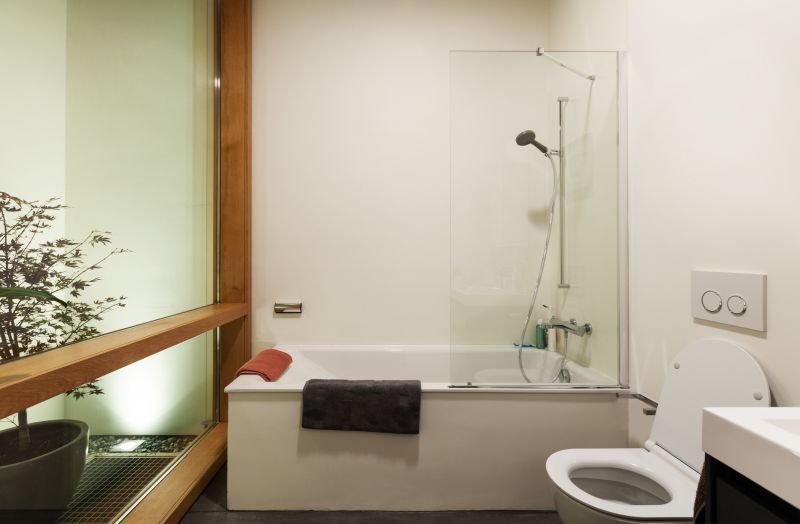
Many homeowners begin searching for information about signs it may be time for a tub to shower conversion when they find their current bathtub no longer meets their needs. This situation can arise for a variety of reasons, such as difficulty stepping over high tub walls, limited accessibility, or a desire for a more functional bathroom setup. People often consider a shower conversion to improve safety, especially for seniors or individuals with mobility challenges, or simply to update the bathroom’s appearance and make daily routines more convenient. Recognizing these signs early can help homeowners plan a renovation that enhances both safety and usability, with local contractors who specialize in tub to shower conversions able to assist in making the transition smooth and efficient.
In addition to accessibility concerns, many property owners think about a tub to shower conversion when their existing bathtub is damaged or outdated. Cracks, chips, or signs of mold and mildew can make a tub less appealing and harder to clean. For those planning a bathroom remodel, replacing a tub with a shower can also be part of a broader effort to modernize the space or increase its functionality. These projects are common in homes where the bathroom has seen little update over the years and may not match current design preferences or lifestyle needs. Local service providers experienced in tub to shower conversions can evaluate the existing setup and recommend solutions that align with the homeowner’s goals for safety, style, and convenience.
Properties that typically come up in discussions about tub to shower conversions include older homes, accessible bathroom upgrades, and multi-family residences. Older properties often feature built-in bathtubs that may no longer suit modern needs or safety standards. Accessibility upgrades are increasingly common as homeowners seek to create bathrooms that are easier to use for everyone, especially those with mobility limitations. Multi-family buildings or rental units may also benefit from conversions to appeal to a broader range of tenants or to meet updated building codes. Local contractors who specialize in these conversions understand the specific requirements of different property types and can help ensure the project aligns with the building’s structure and the homeowner’s preferences.
Understanding the signs it may be time for a tub to shower conversion helps homeowners identify when a bathroom upgrade is needed. Whether driven by safety concerns, aesthetic updates, or functional improvements, these projects are a practical way to enhance a home’s comfort and usability. Connecting with experienced local service providers can make the process straightforward, offering expert guidance from assessment through installation. These professionals can help evaluate the existing bathroom, recommend suitable conversion options, and carry out the work efficiently, ensuring that the new shower setup meets the homeowner’s needs and expectations.
Bathroom remodeling projects - bathroom upgrades often involve similar planning and skill sets as tub to shower conversions, focusing on space optimization and fixture installation.
Shower enclosure installations - these projects require precise measurements and waterproofing techniques comparable to those used in converting tubs to showers.
Tile and wall surround updates - updating bathroom surfaces involves similar tools and planning, making it relevant for those considering a tub to shower conversion.
Accessibility modifications - projects that improve bathroom accessibility often include replacing tubs with walk-in showers, requiring similar planning and installation skills.
Bathroom fixture replacements - swapping out old fixtures for modern options shares techniques with converting a bathtub to a shower setup.
Waterproofing and sealing services - these services are essential in both projects to prevent water damage and are commonly handled by the same type of local contractors.
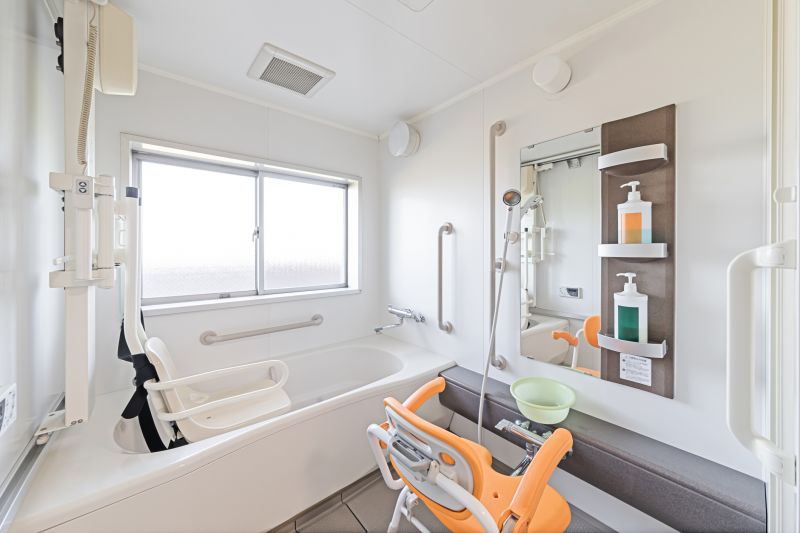
When evaluating potential service providers for a tub to shower conversion, it is important to consider their experience with similar projects. Homeowners should look for local contractors who have a proven track record of successfully completing conversions of comparable scope and complexity. An experienced pro will be familiar with common challenges and best practices, which can contribute to a smoother installation process and a result that meets expectations. Checking portfolios, project histories, or references related to bathroom upgrades can help gauge their familiarity with the specific requirements of converting a tub to a shower setup.
Clear and detailed written expectations are essential when choosing a local contractor for this type of project. A reputable service provider should be able to articulate what the conversion will involve, including the scope of work, materials to be used, and estimated outcomes. Having a transparent plan helps ensure that both parties understand the process and can address any questions or concerns early on. Homeowners are encouraged to seek providers who offer comprehensive written estimates and project descriptions, as this clarity can prevent misunderstandings and set realistic expectations for the completed work.
Good communication and reputable references are key indicators of a reliable contractor. Service providers who are responsive and willing to answer questions demonstrate professionalism and a commitment to customer satisfaction. Additionally, asking for references or reviews from previous clients can provide insight into their experience with similar projects. Homeowners should prioritize local contractors who are known for clear communication, punctuality, and quality workmanship, as these qualities often lead to a more positive renovation experience and a successful tub to shower conversion.
Property owners often search for signs it may be time for a tub to shower conversion when they are planning practical projects around their homes and businesses. Local pros provide Tub to Shower Conversion services for everyday jobs and straightforward project options.

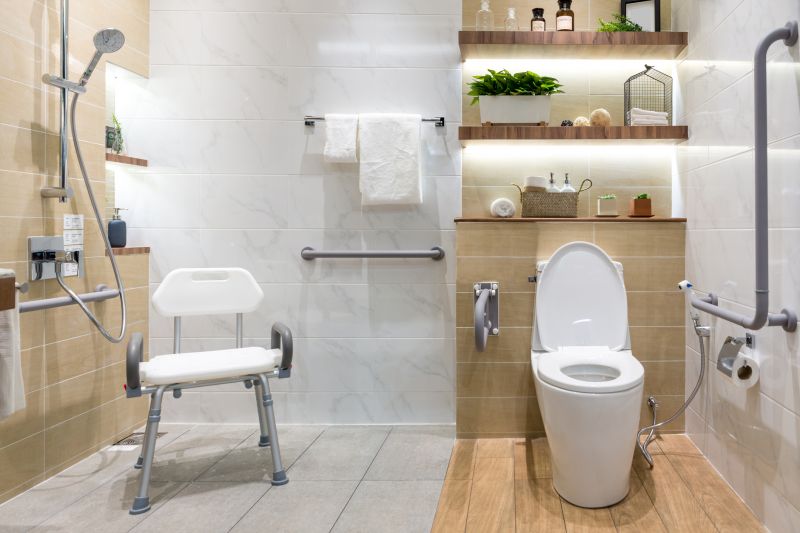
Many property owners in the area begin to notice that their bathtubs are becoming less practical for their daily routines, especially if stepping over the high sides becomes difficult or uncomfortable. Additionally, signs such as mold or soap scum buildup that are hard to clean or persistent water damage can indicate that a tub may no longer be the best option. These everyday issues often prompt homeowners to explore options for a more accessible and easier-to-maintain bathroom setup, leading them to seek out local contractors who specialize in tub to shower conversions.
Another common reason property owners consider a tub to shower conversion is the desire to update the bathroom’s appearance or improve its functionality. If the existing bathtub is outdated, chipped, or no longer matches the style of the home, many look into converting it into a modern shower space. This decision is also driven by the need for increased accessibility, especially for aging family members or those with mobility concerns. Local service providers can assist in evaluating the space and providing options for a smooth, efficient conversion that aligns with the homeowner’s needs and preferences.
What are common signs that a bathtub may need to be replaced with a shower? Indicators include difficulty entering or exiting the tub, frequent leaks, or visible damage such as cracks or mold buildup that cannot be easily repaired.
When should homeowners consider a tub to shower conversion? When the tub no longer fits the household’s needs, safety concerns arise, or maintenance becomes increasingly difficult, it may be time for a conversion with the help of local contractors.
How can a damaged or outdated tub impact bathroom safety? Cracks, slippery surfaces, or mold can increase the risk of slips and falls, making a conversion to a more accessible shower a practical safety upgrade with local service providers.
Are there signs that a tub is no longer functional or practical? If the tub is difficult to clean, has persistent mold or mildew, or no longer holds water properly, these are signs it may be time to consider a shower installation.
What are visual cues that suggest a tub to shower conversion might be needed? Visible deterioration, outdated design, or a space that feels cramped can indicate that consulting local contractors for a conversion could improve bathroom functionality and appearance.
Limited Accessibility - If stepping in and out of the tub becomes difficult, local contractors can help install a more accessible shower setup.
Cracked or Damaged Tub - Visible damage or wear suggests it may be time to replace the tub with a more modern shower option.
Outdated Style - An older, outdated tub can be replaced with a sleek shower to update the bathroom’s look and functionality.
Water Leakage or Mold - Signs of leaks or mold around the tub area may indicate it’s time for a conversion to prevent further issues.
If you are thinking about signs it may be time for a tub to shower conversion for a property, this guide is meant to help you understand this topic, the typical project types, and how different options might fit your plans.
When you are ready, you can use the quote form on this page to share a few details about your project. From there, local pros can review the basics and follow up with options that match what you have in mind.